Filmmaking Principles
Technique should not conceal deficiencies in substance or override storytelling.
These principles are intended to guide how I record reality, express ideas and treat the emotions of my audience.
01. Preserve the Texture of Reality
Do not deliberately conceal native camera noise or equate image quality with the elimination of every imperfection. Reality need not be perfect.
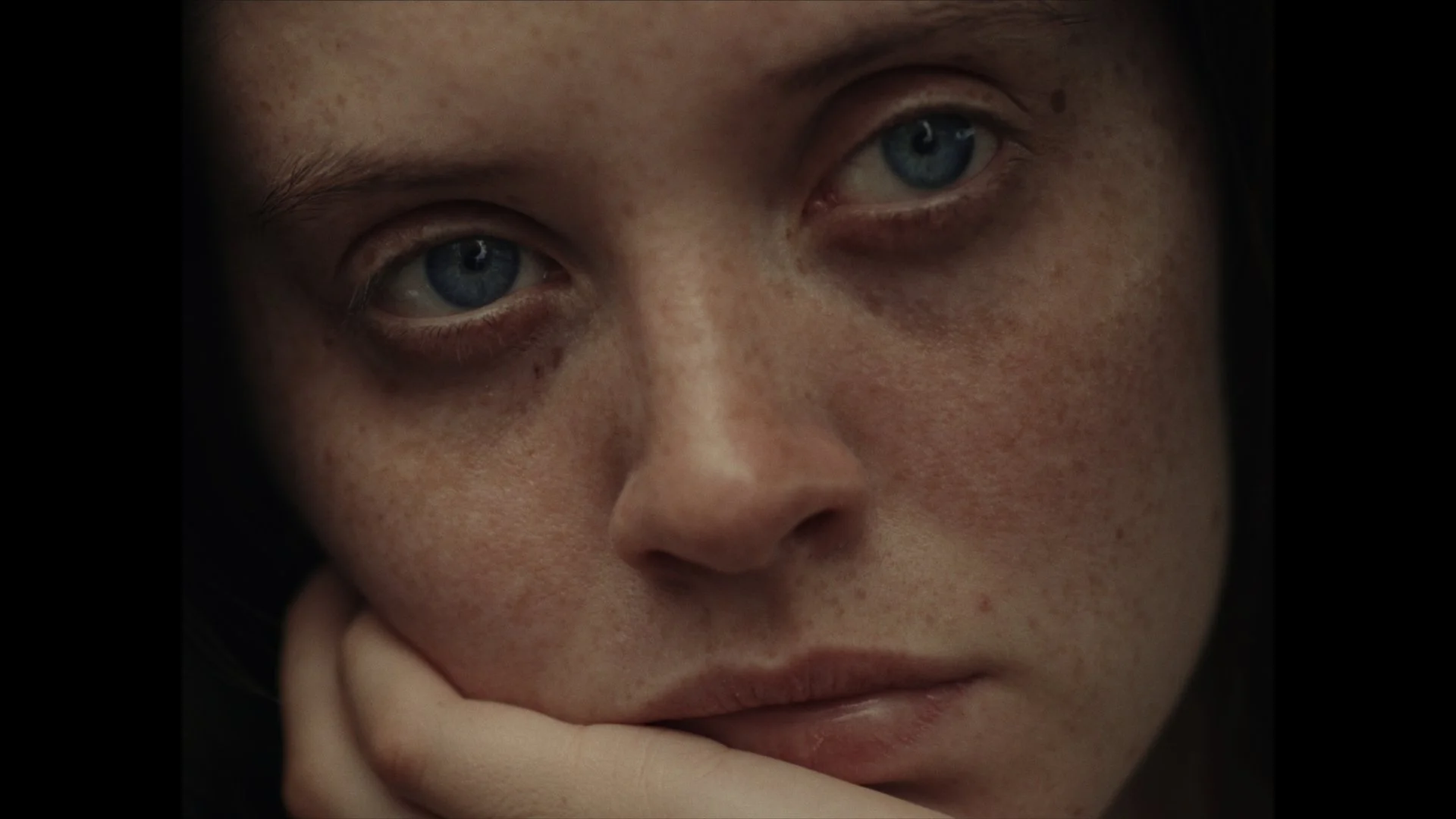
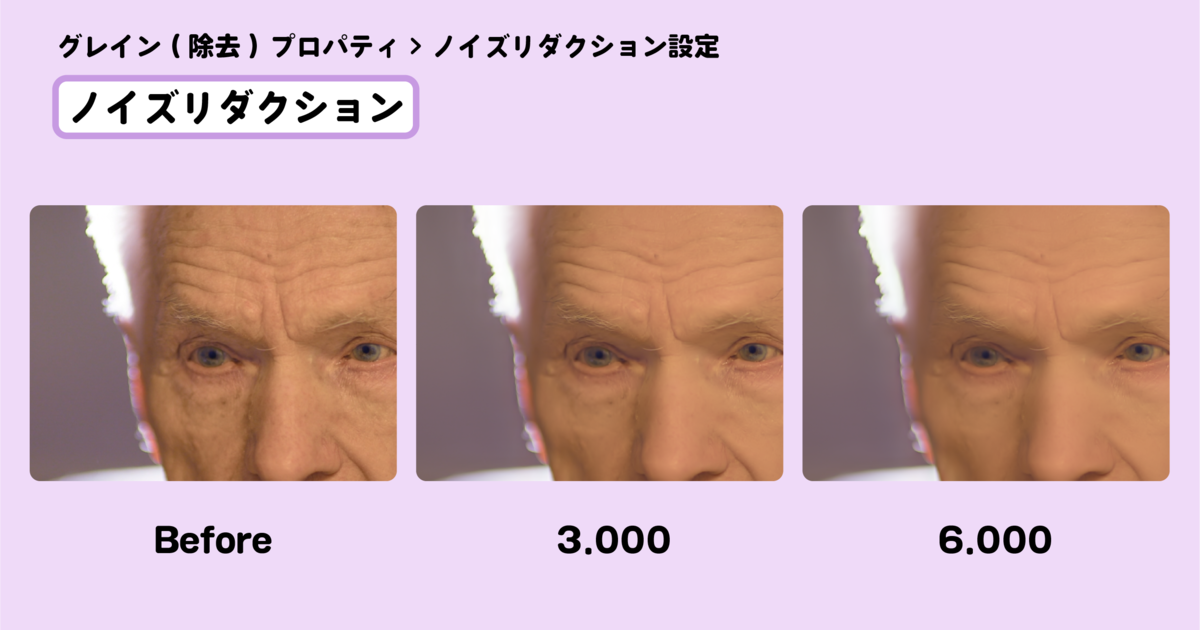
The two original visual references illustrate texture and noise removal. They depict different subjects and are not a controlled before/after experiment; the left image does not establish whether native sensor noise is present.
02. Shape with Light
Light should have direction. Allow one side of a subject to be illuminated and the other to remain in shadow. Shadow is part of visual expression.

03. Restraint in Color
LUTs should serve visual expression rather than dominate it. Avoid relying on excessive grading to create a superficial sense of sophistication.

04. Sound Serves the Narrative
Music and sound effects should not compete with dialogue and narrative. As an initial rule, reduce the amplitude of background music and auxiliary effects to between one-third and one-sixth of their source signal, then assess frequency distribution, perceived loudness and the actual mix. The power of sound comes from its timing, not its volume.
05. Narrative Above Chronology
Flashbacks and nonlinear storytelling are permitted. Reorganize chronology to improve the narrative without distorting facts or causality.
06. Earn the Moment
Reject gratuitous bathos. Do not undermine a meaningful climax established through facts, conflict, cost and emotional accumulation with an unnecessary joke or sudden tonal shift. Let serious things remain serious.
07. Reject Artificial Intensity
Fast cutting is not inherently objectionable; cutting without a narrative basis is. Cut frequency cannot replace information density, camera movement cannot replace the subject’s movement, and loud effects cannot replace genuine conflict. Editing should reveal what is happening rather than manufacture the illusion that something is happening.
Never let technique substitute for substance.
Personal Privacy Principles (proposed)
Distinct from the website’s legal Privacy Policy, the following are proposals, not yet confirmed personal commitments.
- Privacy by Default
- Purpose Limitation
- Independent Authorization for access, possession, use and disclosure
- Data Minimization
References and influences
What Writers Should Learn From Wonder Woman (Just Write, 2017); Paul Greengrass and rapid editing in the Bourne films (exact video reference pending).
Technical notes: the meaning of −12 LUTs remains to be clarified. A three- to sixfold amplitude reduction corresponds to approximately −9.54 to −15.56 dB; perceived loudness requires separate assessment.
Creative principles and corresponding values
| Creative principle | Corresponding value |
|---|---|
| Preserve native camera noise | Authenticity |
| Directional lighting | Intention |
| Use LUTs with restraint | Restraint |
| Attenuate music and effects | Respect |
| Permit nonlinear storytelling | Purpose |
| Reject gratuitous bathos | Sincerity |
| Reject artificial intensity | Substance |
References and creative influences

What Writers Should Learn From Wonder Woman
Just Write · 2017Reject gratuitous bathos; allow sincerity and serious emotion to stand. The narrative must earn its climax.
Watch original video ↗
The Bourne Series — Paul Greengrass
How One Movie Trilogy Ruined Action Films Forever · 2018Distinguish rapid editing from artificial intensity created by its misuse. This essay is a candidate source; the exact video previously watched remains unconfirmed.
Watch original video ↗Related reference: David Bordwell — Unsteadicam Chronicles ↗
The images are referenced film stills, not verified frame captures from these video essays. Third-party rights remain with their owners.